Prateek Tanmay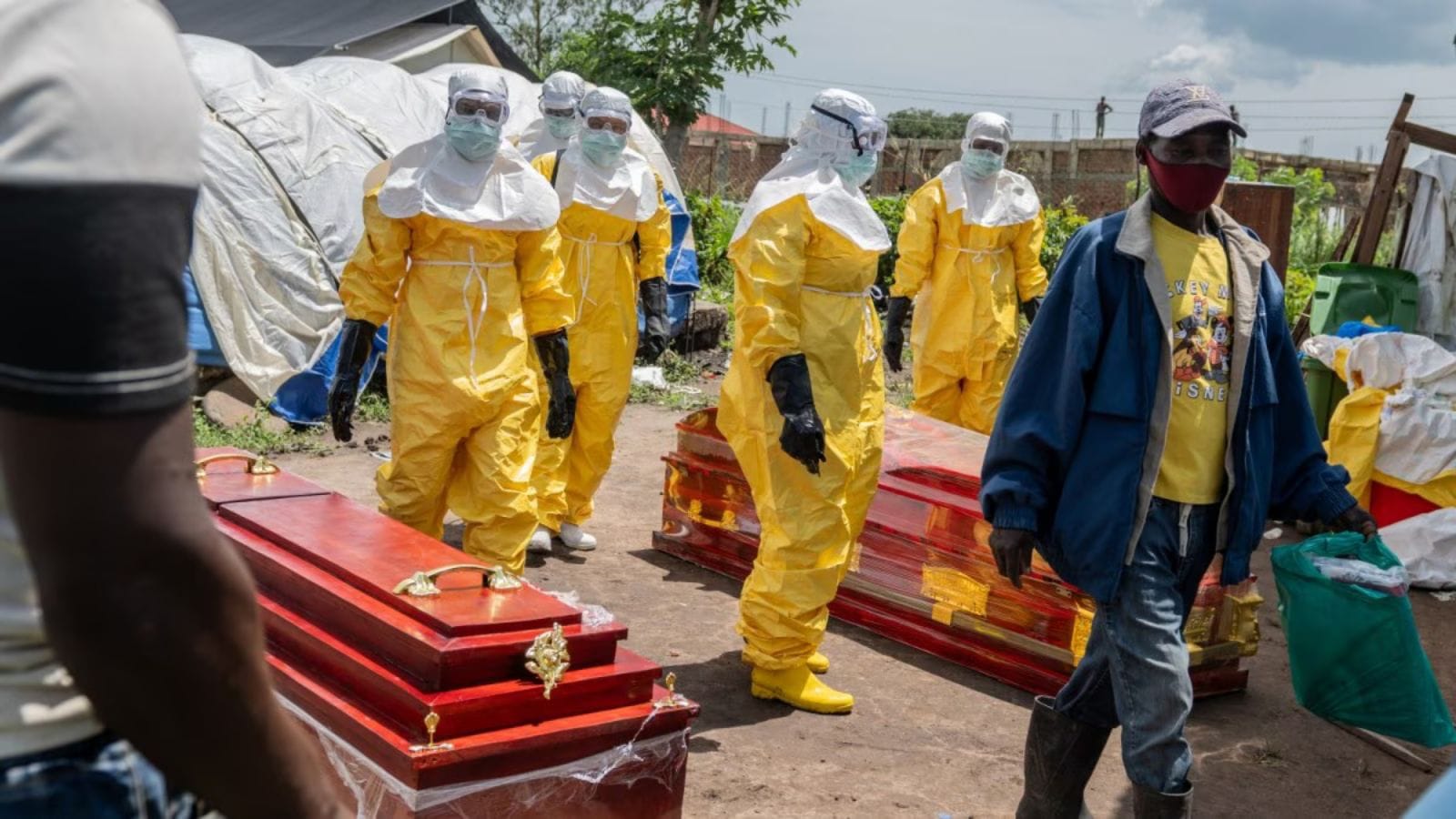
2 min readMay 24, 2026 04:06 PM IST
The Indian government, in line with recommendations of the World Health Organisation, has advised all citizens to avoid non-essential travel to DR Congo, Uganda, and their neighbouring countries such as South Sudan. “Indians currently residing in or travelling to these countries are advised to strictly follow public health guidance issued by local authorities and maintain heightened precautions,” the union health ministry said on Sunday.
Earlier, it had issued advisory for those travelling from or transiting through these “high risk countries” experiencing symptoms such as fever, weakness and fatigue, headache, muscle pain, vomiting, diarrhoea, unexplained bleeding, and sore throat to report to the airport health officer or health desk at all ports, airports and other points of entry into the country. The advisory had also said that any person with history of direct contact with blood or bodily fluids of a person confirmed or suspected to have Ebola should also reach out to the health authorities at the port of entry.

“Please cooperate with health screening and public health measures in the interest of passenger safety and international health regulation,” says the advisory, reminiscent of the Covid-19 pandemic.
The World Health Organisation on May 17 sounded the alarm bells, declaring the ebola outbreak a public health emergency of international concern. As of 21 May, 746 suspected cases and 176 deaths among suspected cases were reported in DRC. So far 85 confirmed cases, including two in Uganda, and ten deaths, with one in Uganda, among confirmed cases were reported across both countries, according to the WHO.
Ebola is a zoonotic infection — caused by Orthoebolavirus family — that can be extremely fatal in humans. It can spread from humans to humans through direct contact with infected fluids such as blood, saliva, sweat, tears, vomit, faeces, and breast milk among others. It can also be transmitted by touching contaminated surfaces and contact with dead bodies of those who have died of the infection. While most of the symptoms of the disease are like flu — fever, headache, muscle and joint pains — unexplained internal and external bleeding is one of the distinct features of the disease.
© The Indian Express Pvt Ltd